What Happens When You Paint Over Mold?
Painting over mold hides the stain but not the problem. Learn why mold comes back through paint, what mold-resistant paint can do, and how to fix it properly.
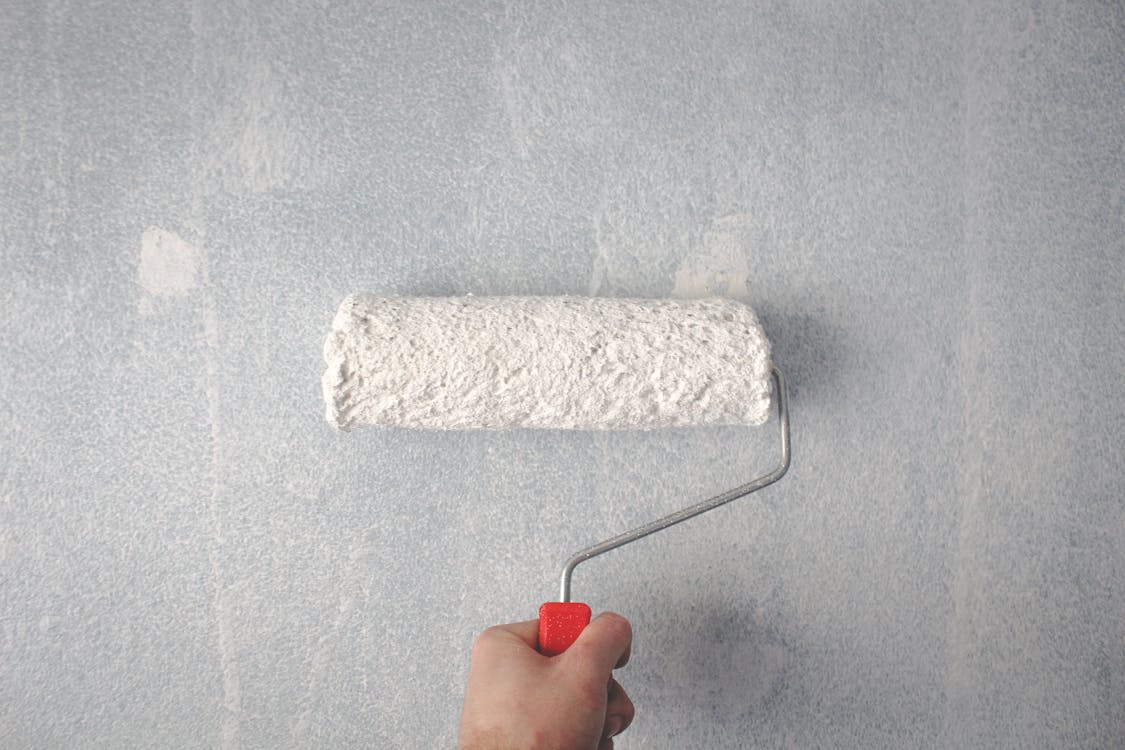
Painting over mold covers the stain for a while, but it does not kill the growth or remove the moisture that feeds it. Within weeks or months the mold usually bleeds back through, the paint bubbles or peels, and the problem underneath has often grown larger. The lasting fix is to stop the moisture, remove or clean the affected material, dry everything and only then prime and paint.
Why Painting Over Mold Is So Tempting
A fresh coat of paint is cheap, fast and makes a wall look new. It is a common shortcut before listing a house, before a tenant moves in, or simply when a dark patch on a bathroom ceiling or basement wall becomes embarrassing. Some stain-blocking primers and mold-resistant paints are even marketed in ways that make it sound like they solve the problem.
The trouble is that mold is not a stain. It is a living growth that roots into the material it sits on, and it is a symptom of moisture. Paint addresses neither of those things. It changes how the wall looks without changing what is happening inside it.
What Actually Happens Under the Paint
Mold feeds on organic material: the paper facing on drywall, wood, dust, and even the residue from soaps and cooking. When you paint over it, the colony is still there, sitting between the paint film and the material. If the moisture source is still active, growth continues.
Here is what homeowners typically see after painting over mold:
- Dark spots or shadows bleeding back through the new paint, often within a few weeks to a few months
- Bubbling, blistering or peeling where moisture is trapped behind the paint film
- A musty smell that returns even though the wall looks clean
- Soft, crumbling or swollen drywall and trim as the material breaks down
- New growth appearing beyond the original patch, sometimes on the back side of the drywall where you cannot see it
Paint can also make the situation harder to diagnose. Once a wall has been painted, the outline of the original growth disappears, which makes it harder to judge how big the problem was, where the water came from and how long it has been going on.
What About Mold-Resistant Paint and Primers?
Mold-resistant paints contain additives that discourage new growth on the paint surface. They are genuinely useful in bathrooms, laundry rooms and other damp areas, applied to clean, dry, sound surfaces. Stain-blocking primers are also useful for sealing old, already-cleaned water stains so they do not show through.
Neither product is designed to treat existing mold. Painting a mold-resistant coating over an active colony gives roughly the same result as regular paint: the growth beneath continues as long as moisture is present, and the paint eventually fails. Think of these products as the last step in a proper repair, not a substitute for it.
Health and Property Risks of Covering Mold
Covering mold does not remove it from your living space. Mold can continue to release spores and odours, and growth on the hidden side of drywall may affect air quality without any visible sign. Health Canada advises that mold in homes be cleaned up and the moisture problem fixed, as exposure can affect health. People with asthma, allergies, weakened immune systems, infants and older adults tend to be more sensitive, with symptoms such as congestion, coughing, wheezing and eye irritation. Because reactions vary, anyone with persistent symptoms should speak with a doctor.
On the property side, trapped moisture keeps working on the building. Drywall can soften and lose strength, wood trim and framing can rot, and insulation in exterior walls can become damp and less effective. A small patch that could have been dealt with quickly can turn into a larger repair.
There is also a legal and financial angle. Painting over known mold before selling a home does not make the history go away, and concealing a known defect can create problems with buyers later. Our article on selling a home with asbestos or mold explains why documenting and fixing the problem is usually the safer route.
Why Mold Keeps Coming Back in Calgary Homes
The reason the stain returns is almost always moisture, and Calgary homes have a few predictable sources despite the dry outdoor climate.
Winter condensation
Long, cold winters make exterior walls, closet corners and window frames cold enough for indoor moisture to condense. Paint on those surfaces often fails first. If the growth is concentrated around windows, our guide to window condensation and mold explains how to bring humidity and air movement under control.
Chinooks and freeze-thaw
Rapid chinook warm-ups followed by hard freezes can melt snow on roofs and around foundations, then refreeze it. That cycle can create ice dams and drive water past flashing, shingles and foundation cracks, leading to recurring ceiling and wall stains.
Basements and bathrooms
Most Calgary homes have basements, and many are finished with drywall framed against cool concrete. Small foundation leaks, plumbing drips and high humidity can all keep the back of that drywall damp. Bathrooms with weak or unused exhaust fans are the other classic location for mold that keeps reappearing through ceiling paint.
The Right Way to Fix Mold Before You Paint
A durable repair follows a clear order. Skipping steps is what leads to repeat painting.
- Find the moisture source. Look for leaks, condensation, poor ventilation, foundation seepage or past flooding. Moisture meters help confirm whether a wall is still wet.
- Fix the source. Repair the leak, improve the exhaust fan, seal the crack or adjust indoor humidity. Without this, nothing else lasts.
- Assess how far the growth goes. Surface growth on a painted, hard surface is very different from growth that has penetrated drywall or insulation.
- Clean or remove affected materials. Hard surfaces can usually be cleaned with detergent and water. Drywall, ceiling tiles, insulation and carpet with established growth generally need to be cut out and replaced. Larger jobs should be done under containment so spores and debris do not spread.
- Dry everything thoroughly. Use fans and dehumidification and confirm the materials are dry before closing up or refinishing.
- Prime and paint. Use a stain-blocking primer if needed and a mold-resistant paint in damp rooms.
Small areas under about one square metre on hard surfaces can often be handled by a careful homeowner with gloves, eye protection and an N95 respirator. Anything larger, anything on drywall or insulation, or anything that keeps returning is a job for professional mold remediation.
What Not to Do
- Do not paint, caulk or wallpaper over visible mold.
- Do not sand or scrape moldy paint without containment, which spreads spores and dust through the house.
- Do not assume a bleach wipe has solved the problem on drywall or wood.
- Do not close up a wall that is still damp.
- In older homes, do not sand or cut walls without considering asbestos. Drywall joint compound and textured finishes installed before the 1990s may contain asbestos, as described in our article on asbestos in drywall joint compound. Testing before demolition protects everyone in the home.
When to Call a Professional
Call a professional if the stain has returned after painting, if paint is bubbling or the wall feels soft, if there is a musty smell, if growth covers more than a small area, or if you are preparing to sell or rent the property. A professional mold inspection can confirm whether the stain is active mold, map moisture in the wall and identify the source, so the repair is aimed at the right place. If the inspection confirms growth inside the wall, a proper mold remediation process removes the affected material under containment instead of sealing it in.
Once the problem has been removed, preventing a repeat is about controlling moisture. Our mold prevention service focuses on ventilation, humidity and building issues that keep mold from returning. If you are unsure whether you are looking at mold or simple surface mildew, our guide to mold vs mildew can help you sort it out first.
Frequently Asked Questions
Will a stain-blocking primer kill mold?
Stain-blocking primers seal stains so they do not show through new paint. Some contain mold-inhibiting additives that protect the new coating, but they are not designed to kill or remove an existing colony. Clean or remove the mold and fix the moisture first, then prime.
How long does it take for mold to come back through paint?
It depends on how active the moisture source is. With an ongoing leak or regular condensation, stains can reappear within a few weeks. With occasional moisture, it may take several months. If the source has been fixed and the growth was minor, it may not return, but the hidden growth remains in the wall.
Is it safe to paint over mold that has been cleaned?
Yes, once the moisture source is fixed, the growth has been properly cleaned or the affected material replaced, and the surface is completely dry. That is the right time to prime and paint, ideally with a mold-resistant product in damp rooms.
Can I paint over mold before selling my house?
You can paint, but painting over known mold does not remove the problem or your obligation to be honest with buyers about known defects. Fixing the source and keeping documentation of the work is usually the better approach.
If paint keeps failing over the same dark patch, it is time to deal with what is underneath. Learn how our team handles mold remediation in Calgary homes, call Amity Environmental at 403-667-8264, or reach us through our contact page.
Worried About Mold in Your Home?
A professional mold inspection finds the moisture source, confirms what is growing, and tells you exactly what needs to be done, so you only pay for the work you actually need.
Available 24/7 for emergencies • Call (403) 667-8264