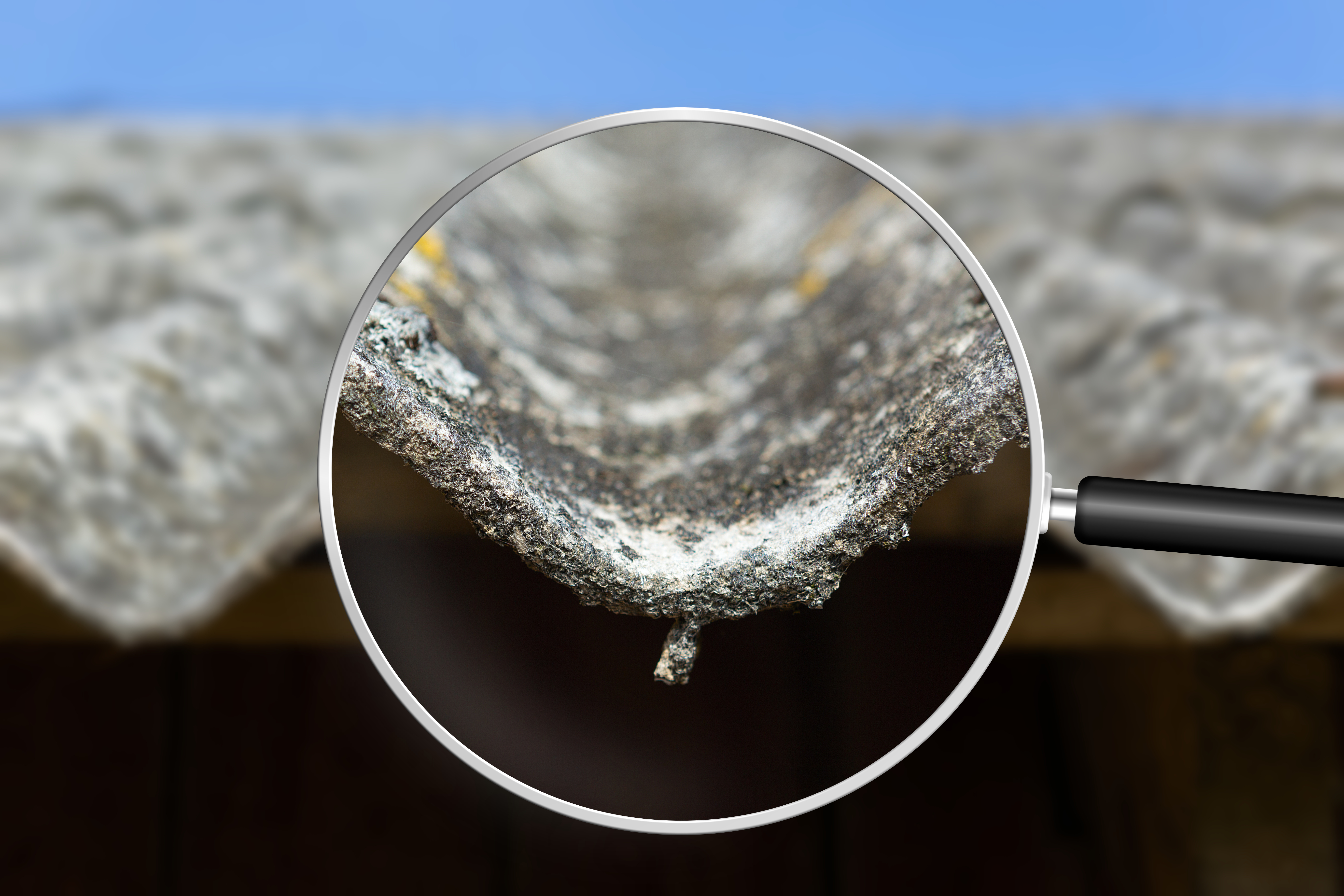
Vermiculite Insulation in Alberta Homes: What to Know
Found vermiculite insulation in your Alberta attic? Learn how to spot it, why it may contain asbestos, what not to do, and how to handle it safely in Calgary.

Vermiculite insulation is a loose, pebble-like material poured into many older Alberta attics and walls, and a large share of it may contain asbestos. If you find it, the safest approach is to leave it undisturbed, keep people out of the attic, and have it assessed by a qualified professional before any renovation, wiring or insulation work goes ahead.
What vermiculite insulation is and why it matters
Vermiculite is a naturally occurring mineral that expands into light, accordion-shaped granules when heated. Those granules made a cheap, fire-resistant, easy-to-pour insulation, and for decades it was sold across North America. The best-known brand was Zonolite, much of which came from a mine near Libby, Montana. That deposit was contaminated with naturally occurring asbestos, and the mine closed in 1990.
The concern is not vermiculite itself but the asbestos fibres that can be mixed in with it. Because the material is loose and dusty, it can release fibres easily when it is moved, swept, vacuumed or disturbed by people working in the attic. If you want background on why those fibres are a health concern, our complete guide to asbestos explains the basics.
Why so many Alberta homes have it
Vermiculite turns up regularly in Calgary bungalows, older infill lots in established neighbourhoods, rural farmhouses and small-town homes across the province. Part of the reason is the federal Canadian Home Insulation Program, which ran from roughly 1977 to 1984 and offered grants to homeowners who added insulation to older houses. Vermiculite was inexpensive and simple to install, so it was a popular choice during that period.
Many of those attics have since been topped up with fibreglass batts or blown-in cellulose. That means the vermiculite is often hidden underneath newer insulation, and homeowners may not realize it is there until an electrician, roofer or home inspector goes up into the attic.
How to recognize vermiculite in your attic
You can usually identify vermiculite by sight without touching it. Use a flashlight from the attic hatch and look for these signs:
- Small, lightweight granules rather than fluffy batts or fibres
- A grey-brown, tan or gold colour, sometimes with a silvery or glittery sheen
- Pieces shaped a bit like puffed rice or tiny accordions
- Loose fill sitting between the joists, often a few centimetres deep
- Granules trickling out around light fixtures, ceiling cracks, attic hatches or wall cavities
Vermiculite can also be found inside the walls of older homes and additions, and occasionally in block wall cores. If you are not sure whether what you see is vermiculite, a professional can confirm it and take samples properly. Our vermiculite assessment and sampling service is designed for exactly this situation.
Does all vermiculite contain asbestos?
Not all vermiculite contains asbestos, but you cannot tell by looking. Health Canada advises homeowners to assume vermiculite insulation may contain asbestos and to avoid disturbing it unless testing shows otherwise.
Testing vermiculite is also trickier than testing materials like drywall mud or flooring. Asbestos fibres can be unevenly distributed through loose fill, so a single small sample may miss them. Reliable results depend on collecting samples from several locations and using laboratory methods suited to vermiculite. Even then, a low or non-detect result should be interpreted carefully by someone familiar with the limitations of the method. This is why many professionals recommend treating vermiculite as asbestos-containing when planning work, regardless of the result.
Health risks and when they apply
Asbestos fibres are a known cause of serious lung diseases, including asbestosis, lung cancer and mesothelioma. These conditions usually appear many years after exposure. The risk is linked to breathing in airborne fibres, so vermiculite that is sealed in an attic and left alone poses much less risk than vermiculite that is being moved around.
Exposure is most likely when someone:
- Climbs into the attic and walks through or kneels in the insulation
- Cuts holes in ceilings for pot lights, fans or wiring
- Removes or adds insulation without containment
- Uses the attic for storage
- Renovates rooms below, letting granules fall through gaps in the ceiling
If you have already disturbed some vermiculite, do not panic. A single short exposure carries a much lower risk than long-term or repeated exposure. Close off the area and have it assessed before anyone goes back in.
What not to do if you find vermiculite
The most common mistakes happen when homeowners try to deal with vermiculite quickly on their own. Avoid the following:
- Do not vacuum it with a household or shop vacuum, which can blow fibres through the house
- Do not sweep, shovel or bag it yourself
- Do not store boxes or belongings in the attic
- Do not let children or pets into the attic space
- Do not cut into ceilings below the attic or open walls that may contain it
- Do not lay new insulation on top without getting advice first, as that can make future removal harder and more costly
Simple steps you can take right away include sealing gaps around light fixtures and ceiling cracks with caulking, keeping the attic hatch closed and weather-stripped, and telling any trades who visit that the attic may contain vermiculite.
Alberta rules and Calgary considerations
In Alberta, asbestos work by employers and contractors is governed by the Occupational Health and Safety Code, primarily Part 20. In general terms, it requires that asbestos be identified before work that could disturb it, that removal follow specific procedures for containment, protective equipment and decontamination, and that workers performing abatement hold the appropriate provincial asbestos abatement certification. Certain abatement projects also require advance notice to Alberta OHS. Asbestos waste must be properly packaged, labelled and taken to a facility that accepts it.
Homeowners working on their own homes are not always covered by workplace rules in the same way, but the health risk is the same, and any contractor you hire must follow the Code. Vermiculite removal is generally treated as high-risk asbestos work because of how easily the material becomes airborne.
If you are planning a renovation or demolition in Calgary, the City may ask for information about hazardous materials as part of the permit process. Requirements can change, so confirm the current rules with the City of Calgary before you apply. Our guide to asbestos and renovation or demolition permits in Calgary covers this in more detail.
Step-by-step: how to handle vermiculite safely
If you think your home has vermiculite, here is a practical sequence to follow:
- Leave the material undisturbed and keep the attic hatch closed.
- Note where you saw it and whether it may also be in walls or other areas.
- Have a qualified professional inspect the space and collect samples using a method suited to loose fill.
- Review the results and the assessor's recommendations, including whether the material should be treated as asbestos-containing.
- Decide whether to leave it in place or remove it, based on your renovation plans and the condition of the attic.
- If removal is needed, hire trained, certified abatement workers for safe asbestos removal under full containment.
- After removal, confirm the space is clean with air clearance testing before insulation or other trades return.
Removal is not always mandatory. If the attic is well sealed and you have no plans to work in it, leaving vermiculite in place may be reasonable. Removal makes more sense before major renovations, roof or ceiling work, attic conversions, or when material is leaking into living spaces.
When to call a professional
Call a professional any time you plan to disturb the attic, ceilings or walls of a home with suspected vermiculite. That includes adding pot lights, upgrading insulation, replacing a roof deck, or renovating rooms on the top floor. It is also worth getting an assessment before buying or selling an older home, since vermiculite often comes up during home inspections. Our article on selling a home with asbestos or mold explains how to handle disclosure and buyer questions.
A professional assessment gives you clear information, a written record and a plan, which is far better than guessing. If you are in Calgary or a surrounding community, you can book an attic vermiculite inspection to find out what you are dealing with before any work begins.
Frequently Asked Questions
Is vermiculite insulation dangerous if I leave it alone?
Vermiculite that is sealed in an attic and not disturbed poses a much lower risk than material that is moved around. The concern is airborne fibres, so the key is keeping it contained, sealing gaps into the living space and keeping people out of the attic until it has been assessed.
Can I test vermiculite myself?
Collecting samples yourself means disturbing the material, which can release fibres, and DIY samples may not be representative because asbestos can be unevenly spread through loose fill. A trained assessor will use proper protective equipment and a sampling approach suited to vermiculite.
Do I have to remove vermiculite before selling my home?
Removal is not always required to sell, but you should be honest about what you know, and buyers or their inspectors may raise it. Having a professional assessment on hand helps buyers understand the situation and can make negotiations smoother.
Can I put new insulation over vermiculite?
It is possible in some cases, but it is best to get advice first. Covering vermiculite can make future removal more difficult and more costly, and the installation work itself can disturb the existing material.
If you suspect vermiculite in your attic or walls, get clear answers before anyone goes up there with tools. Learn more about our vermiculite inspection and sampling, call 403-667-8264, or reach out through our contact page to arrange an assessment in Calgary or the surrounding area.
Not Sure If It Contains Asbestos?
Before you sand, scrape, or demolish, have the material sampled and analyzed. Amity Environmental provides certified asbestos testing across Calgary and surrounding communities.
Available 24/7 for emergencies • Call (403) 667-8264