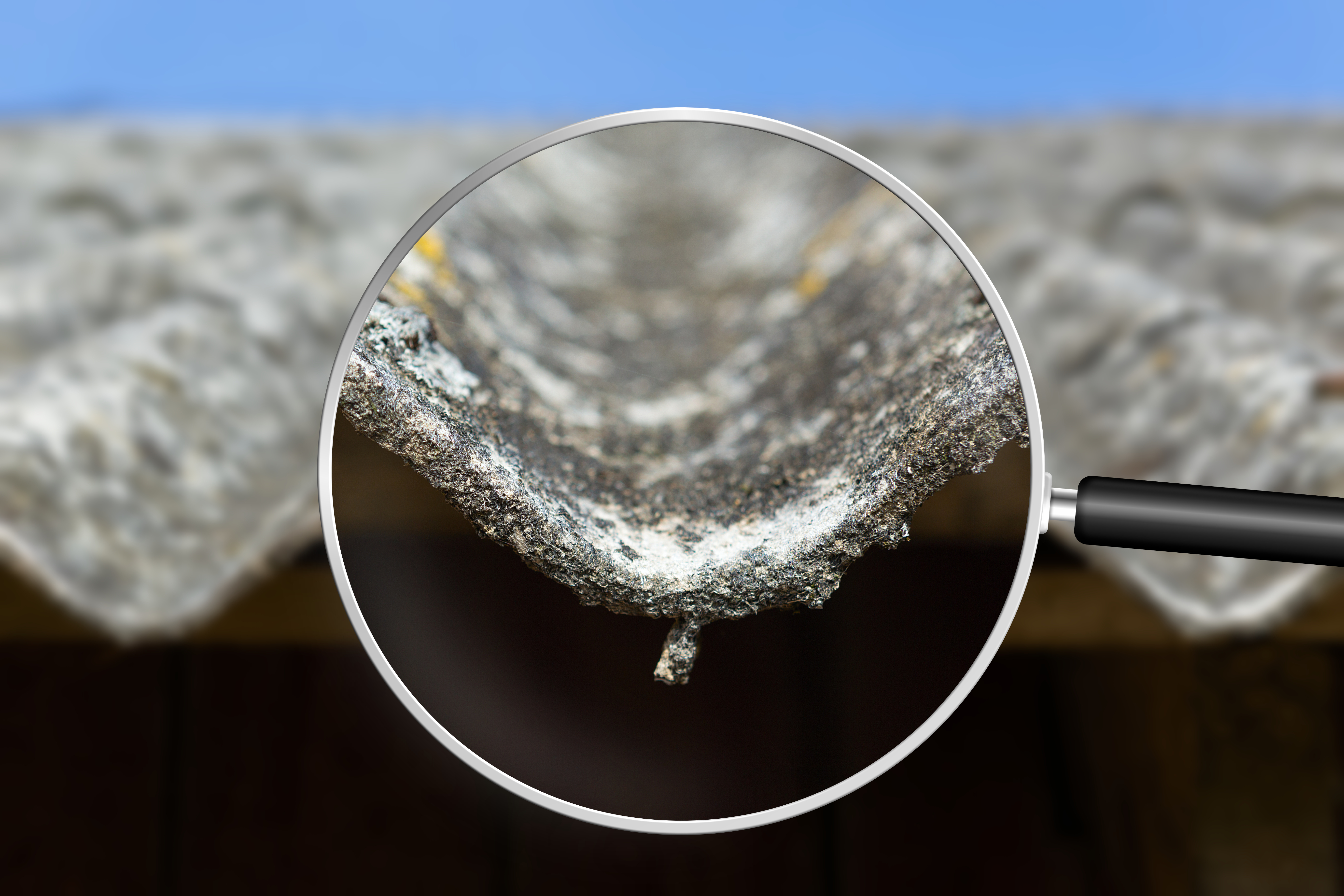
Does Stucco Contain Asbestos? A Guide for Alberta Homes
Does stucco contain asbestos? Learn which older Calgary stucco and plaster may be affected, which renovations are risky and how to test before work starts.
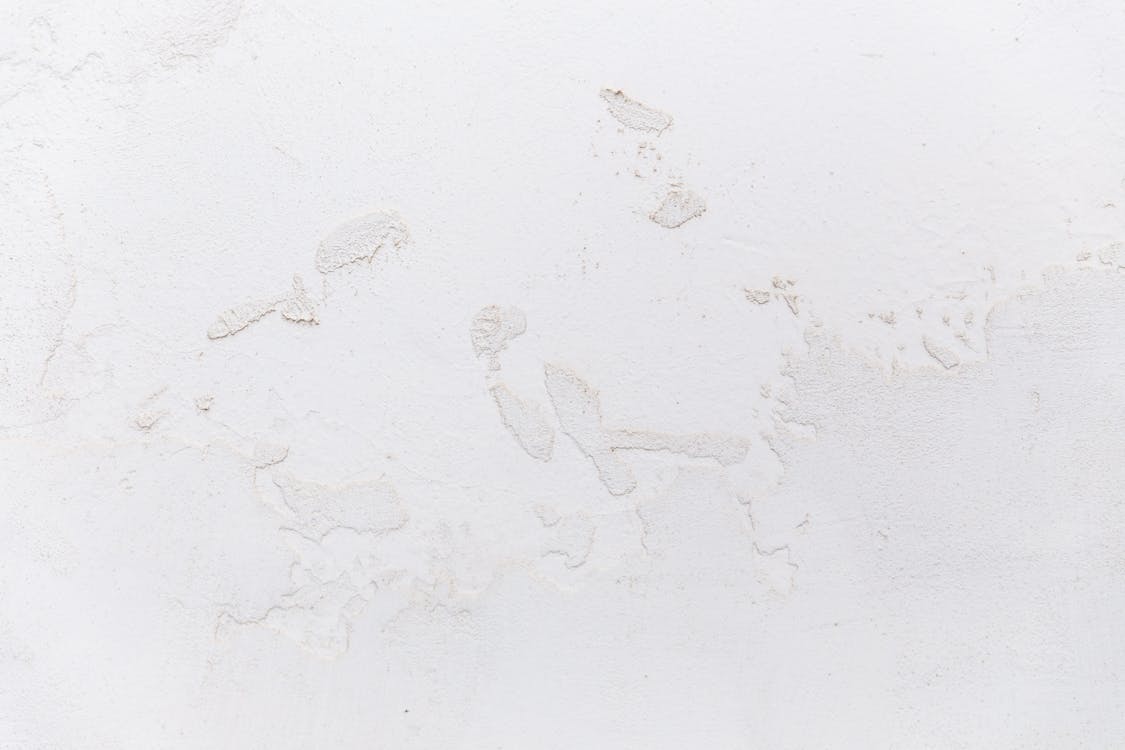
Some stucco does contain asbestos, mainly exterior stucco and interior plaster applied before about 1990, but many older walls test clean. Asbestos was sometimes added to base coats, finish coats and textured plaster for strength and workability, and there is no way to tell by sight. Intact stucco is not considered a hazard, but cutting, drilling, grinding or chipping it can release fibres, so test before any work begins.
Why asbestos was added to some stucco and plaster
Traditional stucco is a mix of cement, lime, sand and water, applied in layers over lath or masonry. Interior plaster follows a similar idea using gypsum or lime. For several decades, some manufacturers and applicators added asbestos fibres to these mixes because the fibres improved strength, reduced cracking, helped the material spread and stick, and added fire resistance.
Not every product or contractor used it. Stucco on two houses on the same street, or even on two sides of the same house, can produce different results depending on when and how it was applied. Asbestos might be present in one layer, such as a finish coat or a textured topcoat, while the layers beneath are clean, or the other way around.
Which Calgary homes and buildings are most likely to have it
Stucco is one of the most common exterior finishes in the Calgary area, and much of the region's older housing was built during the decades when asbestos was still in use. Canada did not fully prohibit asbestos products until the end of 2018, though most residential use had declined long before that. As a working rule, treat stucco and plaster applied before about 1990 as suspect until tested.
The likelihood of finding asbestos increases with:
- Homes built from the post-war years through the 1980s in established Calgary communities
- Older homes in nearby towns such as Airdrie, Cochrane, Okotoks and Chestermere
- Houses with additions, where stucco from different eras meets
- Walls that have been re-stuccoed over an older layer instead of stripped first
- Interior textured plaster walls and ceilings in older homes
- Older apartment buildings, strip malls and commercial properties finished with stucco
For property managers, condo boards and building owners, larger stucco repairs or envelope projects usually call for a broader hazardous materials review. Our commercial asbestos services are designed for multi-unit and commercial buildings.
When stucco becomes a hazard
Asbestos is harmful when its fibres are released into the air and inhaled. Exposure is linked to asbestosis, lung cancer and mesothelioma, which generally appear many years after exposure. No safe level of exposure has been established, so the goal is to avoid creating dust from materials that may contain asbestos.
Stucco in good condition is hard and well bonded, so fibres are not easily released during normal life. The risk comes from work that breaks it apart, such as:
- Replacing windows or doors, which involves cutting stucco around the openings
- Installing new vents for dryers, bathroom fans, furnaces or water heaters
- Drilling for satellite dishes, lighting, railings or electrical service
- Repairing hail damage, cracks or water damage by chipping out sections
- Removing stucco to install new siding or insulation
- Demolishing additions, garages or entire buildings
Calgary's hailstorms deserve a mention here. After a severe storm, many homeowners need stucco repairs on short notice, and repair crews may cut out damaged sections quickly. Testing older stucco for asbestos before patching begins protects both the household and the workers.
Interior textured plaster works the same way. Cutting new doorways, opening walls or sanding old plaster can release fibres. If your ceilings also have a sprayed texture, see our guide to whether popcorn ceilings contain asbestos.
How stucco is tested for asbestos
Stucco testing is quick and the patches are small.
- Identify every wall area you plan to cut, drill or remove, including around windows, doors and penetrations.
- Arrange professional asbestos testing of your stucco before you sign off on the work schedule with your contractor.
- The assessor takes samples that go through each layer, from finish coat to base coat, and from each distinct era of stucco on the building.
- Samples are analyzed by an accredited laboratory, and the report identifies which layers, if any, contain asbestos.
- Sample holes are patched, and you share the report with your window installer, stucco contractor or renovator.
Many trades in the Calgary area ask for asbestos results before they will cut into older stucco, so having a report ready can prevent delays. For budgeting, our guide to asbestos testing costs in Calgary outlines what affects the price.
Alberta rules for working on asbestos stucco
Asbestos work at Alberta worksites is regulated under Part 20 of the Occupational Health and Safety Code. Contractors must identify asbestos-containing materials before work that could disturb them, control worker exposure, use trained workers and suitable protective equipment, and package, label and dispose of asbestos waste properly. The province's Asbestos Abatement Manual describes accepted practices for removal work.
If your stucco project is part of a larger renovation or a demolition that needs a permit, our guide to asbestos and renovation permits in Calgary explains how asbestos fits into the process.
If the stucco tests positive, it is often not necessary to remove the whole exterior. In many cases, only the sections around new openings or damaged areas need to come off. Professional asbestos removal takes out those sections under containment before the window, siding or repair crew begins, keeping the rest of the project on track.
What not to do with older stucco
Stucco seems tough and harmless, which leads to some risky habits:
- Do not grind or saw into older stucco before it has been tested. Power tools create fine dust very quickly.
- Do not chip off loose stucco with a hammer to prepare for patching without knowing what it contains.
- Do not pressure wash crumbling or damaged stucco aggressively, which can break off fragments.
- Do not assume new paint or a newer topcoat means the layers beneath are asbestos free.
- Do not leave debris in garden beds or put it in household waste if it might contain asbestos.
If you have already cut into older stucco and are concerned, stop the work, keep people away from the debris and arrange testing of the material before anyone continues. Cover loose debris with plastic rather than sweeping it up, avoid tracking dust indoors on shoes or clothing, and let the test results guide the cleanup.
Frequently Asked Questions
Does modern stucco contain asbestos?
Stucco products used in recent decades are very unlikely to contain asbestos, and asbestos products have been prohibited in Canada since the end of 2018. The concern is with older stucco and plaster, particularly material applied before about 1990.
Is cracked or hail-damaged stucco dangerous?
Small cracks in otherwise solid stucco do not usually release meaningful amounts of fibre. The risk rises when damaged areas are crumbling or when repairs involve cutting and chipping. Test older stucco before repairs begin.
Do I need to remove all of my stucco if it contains asbestos?
Usually not. Intact stucco can stay in place. Only the sections that will be disturbed by your project, such as areas around new windows or damaged patches, typically need to be removed under containment first.
Can I paint or seal asbestos stucco?
Painting intact stucco is generally low risk if it does not involve sanding, grinding or aggressive pressure washing. Surface preparation is where problems start, so test first and choose gentle preparation methods.
Before your window installer, stucco contractor or renovator cuts into an older wall, book a stucco asbestos test so everyone knows what they are working with. Call Amity Environmental at 403-667-8264 or contact us through our contact page to arrange sampling in Calgary and surrounding communities.
Not Sure If It Contains Asbestos?
Before you sand, scrape, or demolish, have the material sampled and analyzed. Amity Environmental provides certified asbestos testing across Calgary and surrounding communities.
Available 24/7 for emergencies • Call (403) 667-8264