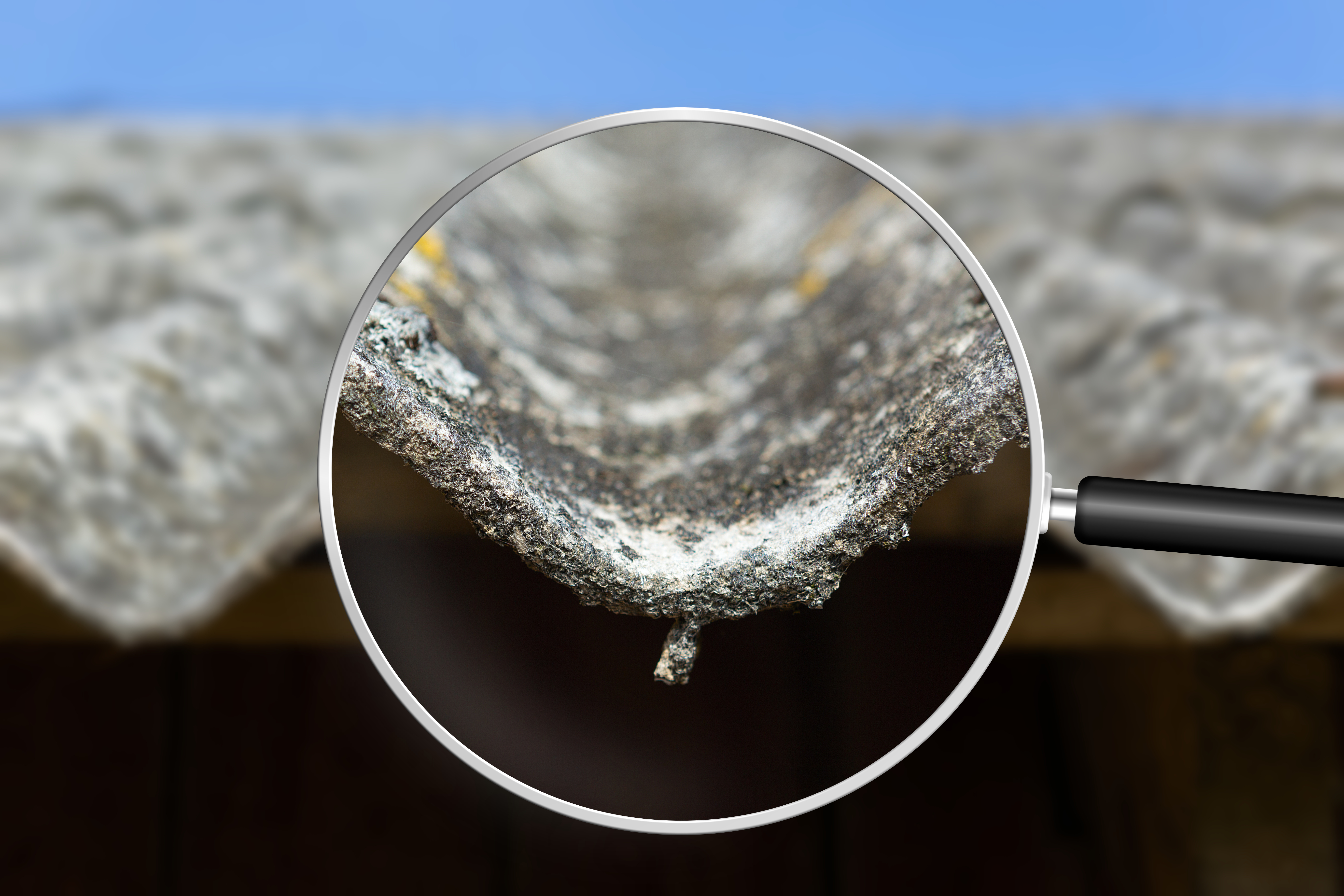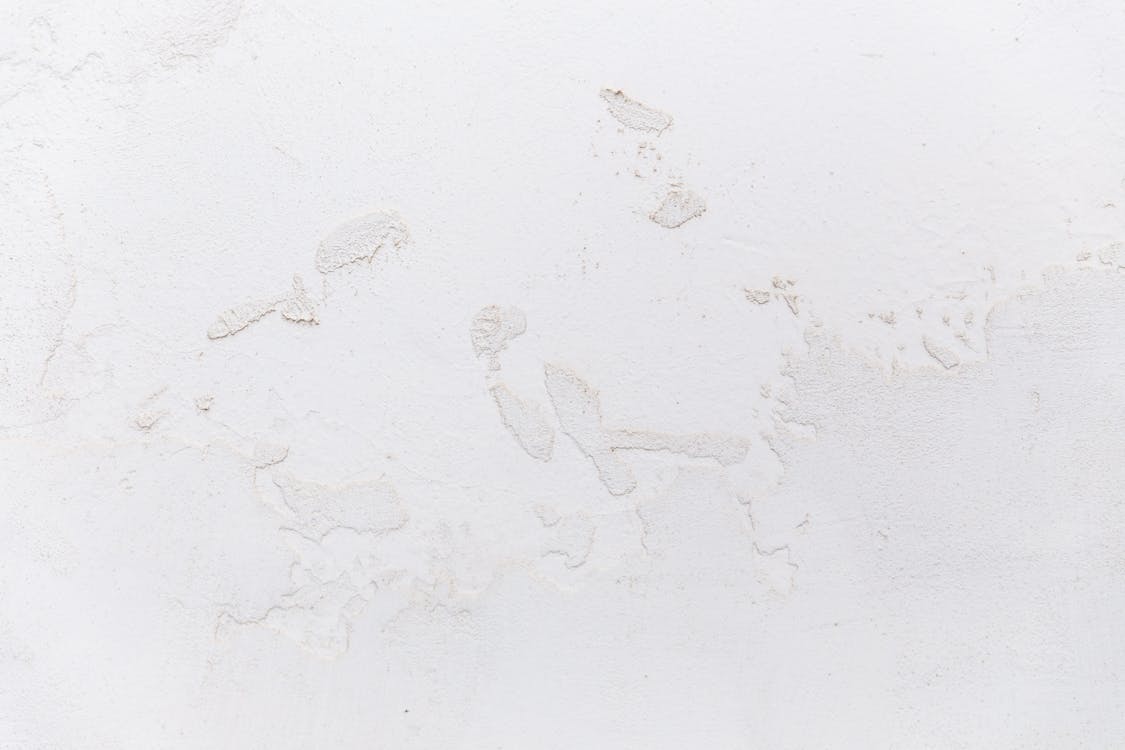
Does Drywall Joint Compound Contain Asbestos?
Drywall joint compound in pre-1990 Calgary homes may contain asbestos. Learn where it hides, why sanding is risky and how to test before you renovate.

Yes, drywall joint compound, often called drywall mud, can contain asbestos, especially in homes built or renovated before about 1990. It is one of the most common asbestos sources in older Calgary houses because it was applied to every seam, corner and screw head. Intact, painted walls are low risk, but sanding, cutting or demolishing them can release fibres, so testing before a renovation is essential.
What joint compound is and why asbestos was used
Joint compound is the paste used to fill and smooth the joints between drywall sheets, cover fasteners and finish corners. For decades, many manufacturers added asbestos fibres to their compounds because the fibres made the mud stronger, more crack resistant and easier to spread smoothly. The same compounds were often used to create textured wall and ceiling finishes.
Because mud covers every taped seam and every fastener, a single wall can contain dozens of small patches of asbestos-containing material, spread evenly across the house. That is very different from a single furnace pipe wrap or a patch of vermiculite in the attic. It also means a renovation that opens up several walls can disturb far more asbestos than homeowners expect.
Where asbestos drywall mud is found
When an assessor looks for asbestos in a wall system, these are the typical places of concern:
- Taped seams between drywall sheets on walls and ceilings
- Inside and outside corners, including mud over metal corner bead
- Screw and nail head patches
- Textured finishes made from compound, such as swirl, knockdown or stipple patterns
- Skim coats applied over older plaster walls
- Patches and repairs made during earlier renovations
The gypsum board itself is less often the concern than the mud, but a qualified assessor will decide which layers need to be sampled. If your ceilings also have a sprayed texture, read our guide on whether popcorn ceilings contain asbestos, since the texture and the mud beneath it can test differently.
Which Calgary homes are most likely to have it
Asbestos use in Canadian joint compounds declined through the late 1970s and 1980s, but older stock continued to be used for some time, and Canada did not fully prohibit asbestos products until the end of 2018. As a working rule, drywall finished before about 1990 should be treated as suspect until tested.
In the Calgary area, that includes post-war bungalows that were later drywalled, many homes from the 1960s to 1980s building booms, and older properties in surrounding communities such as Airdrie, Cochrane, Okotoks and Chestermere. Pay special attention to:
- Basements developed in the 1970s and 1980s, even in homes that were built earlier
- Additions and garage conversions finished at a different time from the main house
- Rooms that were patched or re-taped after water damage or earlier renovations
- Condos and older rental properties where units were renovated piecemeal
Because different rooms were often finished at different times, one room can test positive while another tests clean. That is why asbestos sampling should cover each area you plan to work on, not just one convenient wall.
When asbestos joint compound becomes a hazard
Asbestos is a health concern when fibres are released into the air and inhaled. Long-term exposure is linked to asbestosis, lung cancer and mesothelioma, and these diseases usually develop many years after exposure. No safe level of exposure has been established, so the goal is to avoid creating airborne fibres in the first place.
Painted, intact drywall is not considered a significant hazard during normal living. The risk comes from work that turns the mud into fine dust, including:
- Sanding old seams before painting or re-texturing
- Demolishing walls or ceilings during a renovation
- Cutting openings for outlets, pot lights, windows or doorways
- Drilling many holes for wiring, shelving or cabinets
- Removing tile backsplashes or wall tile that pulls the mud surface away
- Water damage that leaves drywall soft, crumbling or moldy
Sanding is a particular concern because it produces very fine dust that travels easily through a house and into the furnace system. If you are dealing with water-damaged drywall, keep in mind that mold growth and asbestos can be present together, and both should be assessed before demolition.
How to test drywall mud before you renovate
Testing is straightforward and is far less disruptive than most people expect.
- Make a list of every room, wall and ceiling you plan to open, cut or sand.
- Book professional asbestos testing of your drywall mud before any demolition or sanding begins.
- The assessor takes small samples from seams, corners and textures in each distinct area, using wet methods and sealing the sample spots afterward.
- Samples are analyzed by an accredited laboratory, and you receive a written report identifying which materials contain asbestos.
- Share the report with your contractor so the project can be planned and sequenced properly.
Older walls can carry more than one hazard. Paint applied in homes built before about 1990 may contain lead, and sanding or scraping it creates lead dust. If your renovation involves older painted surfaces, it is worth adding lead paint testing to the same visit. For a sense of what to budget, see our guide to asbestos testing costs in Calgary.
Alberta rules and renovation planning
Asbestos work at Alberta worksites is governed by Part 20 of the Occupational Health and Safety Code. In practical terms, employers and contractors must identify asbestos-containing materials before work that could disturb them, control worker exposure, use trained workers and appropriate protective equipment, and handle and dispose of asbestos waste properly. The province's Asbestos Abatement Manual sets out recognized safe work practices for removal.
For homeowners, this means reputable renovators, electricians and drywall contractors will often ask for asbestos results before starting on an older home. If your project needs a permit, our guide to asbestos rules for renovation and demolition permits in Calgary explains what to expect.
If the mud tests positive, you do not need to tear out every wall in the house. Walls you are not touching can usually stay as they are. Plan the project so that the affected drywall is taken out first by a qualified asbestos removal crew working under containment, and only then bring in framers, electricians, plumbers and finishers.
Mistakes to avoid
Drywall work feels familiar, which is exactly why asbestos in joint compound catches people off guard. Avoid these common mistakes:
- Assuming newer paint means newer walls. A fresh coat of paint says nothing about the age of the mud underneath.
- Testing only one room. Additions, basements and repairs may have been finished with different products.
- Sanding first and asking later. Fine sanding dust spreads easily and is difficult to clean from carpets, ducts and furnishings.
- Using a shop vacuum for cleanup. Ordinary vacuums are not designed to capture asbestos fibres and can blow them back into the air.
- Relying on a paper dust mask. These masks do not provide adequate protection against asbestos fibres.
If you have already sanded or cut into walls before testing, stop the work, keep people out of the area and arrange testing before continuing.
Frequently Asked Questions
Can one sample represent my whole house?
Not always. Different rooms, additions and basements were often finished at different times with different products. A qualified assessor will recommend samples from each distinct area you plan to disturb so the results are reliable.
Is it safe to hang pictures or drill a few holes?
Driving a nail or drilling an occasional small hole creates very little dust, and the risk is generally considered low. Larger jobs that involve many holes, cutting or sanding should wait until the mud has been tested.
Does painted drywall still pose a risk?
Paint helps keep intact compound sealed during normal living, but it does not change what the mud contains. Once the wall is sanded, cut or demolished, any asbestos in the compound can be released.
What happens if my drywall mud tests positive?
You can leave undisturbed walls in place. For walls you plan to renovate, the affected drywall should be removed under containment by a trained crew before other trades begin, followed by proper cleanup and verification that the area is safe.
Before you sand a seam or swing a hammer at an older wall, get your drywall mud tested for asbestos so you can plan your renovation with confidence. Call Amity Environmental at 403-667-8264 or reach out through our contact page to book sampling in Calgary and surrounding areas.
Not Sure If It Contains Asbestos?
Before you sand, scrape, or demolish, have the material sampled and analyzed. Amity Environmental provides certified asbestos testing across Calgary and surrounding communities.
Available 24/7 for emergencies • Call (403) 667-8264