Selling a Home With Asbestos or Mold in Alberta
Selling a home with asbestos or mold in Alberta? Learn what sellers should know about disclosure, pre-listing testing, buyer inspections and negotiation.

Yes, you can sell a home with asbestos or mold in Alberta, and many Calgary homes change hands every year with one or both. What matters most is knowing what is actually in the house, being honest about known problems, and having clear documentation so buyers can make informed decisions. Testing before you list, fixing active issues where it makes sense, and working closely with your realtor and lawyer usually leads to a smoother sale.
Why asbestos and mold come up so often in Calgary sales
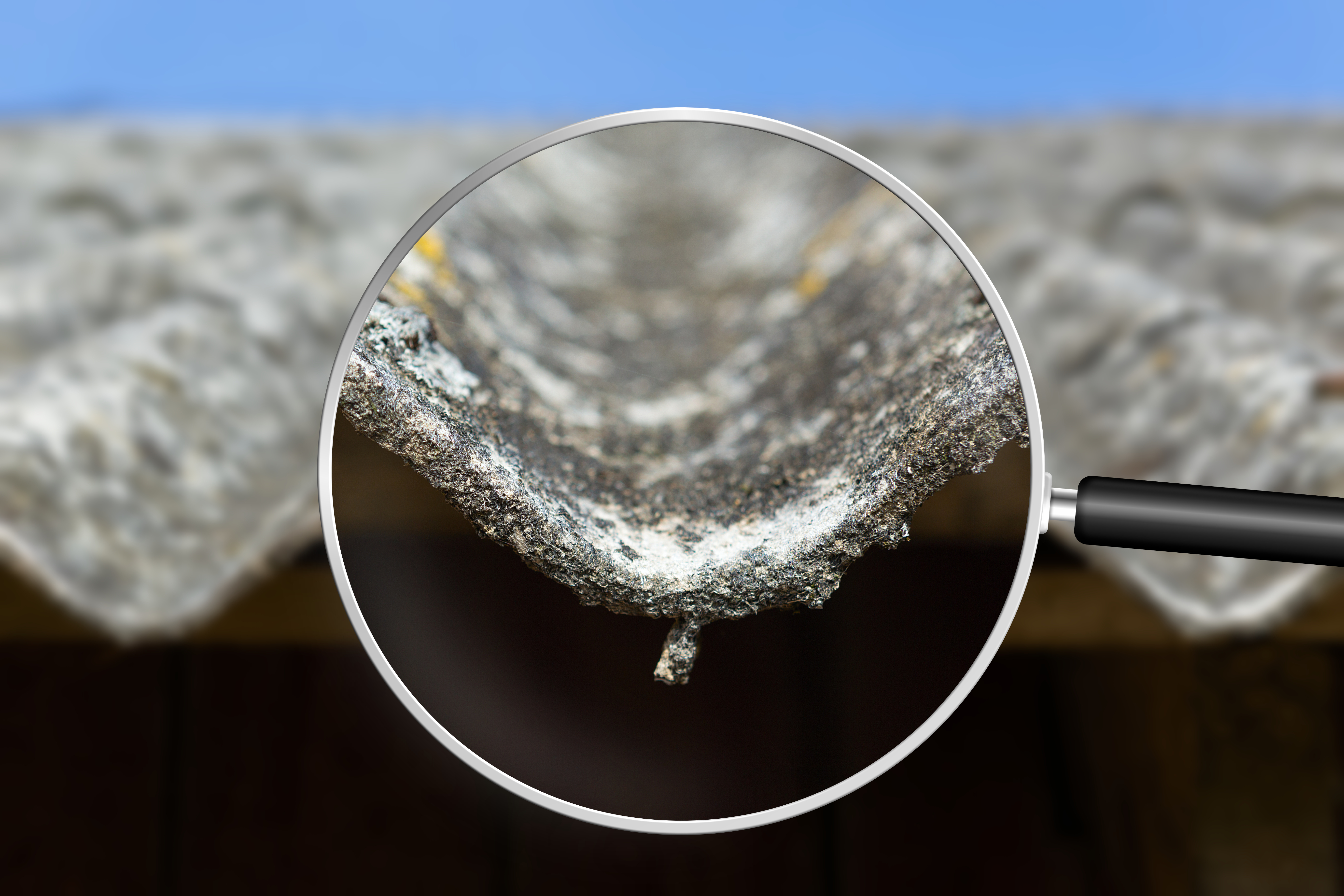
Calgary has a large stock of homes built before 1990, when asbestos was still used in a wide range of building products. Canada banned most asbestos products in 2018, but materials installed decades ago are still in place in many homes. Common examples include drywall joint compound, textured ceilings, vinyl floor tiles and sheet flooring, some stucco and plaster, duct and pipe wrap, and vermiculite attic insulation. Our articles on popcorn ceilings and asbestos and vermiculite insulation in Alberta homes cover two of the materials buyers ask about most.
Mold is just as common, and it is not limited to older homes. Basement water problems, sewer backups, attic rain from frost melting during chinooks, window condensation and plumbing leaks can all leave mold behind in houses of any age. Buyers and their inspectors know to look for these things, so it is better for sellers to know first.
Disclosure: what sellers should think about
This is the part sellers worry about most, and it is important to treat it carefully. Generally speaking, sellers in Alberta should not conceal known material defects or misrepresent the condition of their property. If you know about a problem, such as confirmed asbestos in a material that has been damaged, or an active mold problem behind a wall, hiding it or covering it up can expose you to disputes and claims after closing.
Many Alberta realtors use a property disclosure statement that asks about environmental concerns, water damage and past repairs. Whether you use one, and how you answer specific questions, are decisions to make with your realtor and a real estate lawyer. Whatever you say in writing, it should be accurate. If you are unsure whether something needs to be disclosed, or how to word it, get advice from your lawyer before you list rather than guessing. This article is general information, not legal advice.
A few general principles help most sellers:
- Answer questions honestly and do not overstate what you know or do not know.
- Do not paint over, panel over or otherwise hide stains, mold or damaged materials before listing.
- Keep copies of lab reports, inspection reports, remediation invoices and clearance results.
- Share relevant documentation with your realtor so they can advise you on how to present it.
The case for testing before you list
You cannot tell whether a material contains asbestos by looking at it. The only way to know is to have samples taken and analyzed by a qualified laboratory. Testing before you list puts you in control of the timeline and the conversation, instead of finding out from a buyer's inspector partway through a conditional offer.
Professional asbestos testing before listing gives you a clear picture of which materials contain asbestos and which do not. Often, a test shows that a suspect material is actually asbestos-free, which removes a question mark from the sale entirely. If you want a sense of budget, our guide to asbestos testing cost in Calgary explains what affects the price.
For mold, a pre-listing mold inspection can confirm whether staining or odours are signs of active growth, locate hidden moisture and identify what needs to be fixed. Radon is also increasingly part of the conversation. Health Canada recommends testing all homes, and buyers in Calgary and across Alberta are asking about it more often. A radon test designed for real estate timelines can provide useful information during a listing or sale.
How asbestos typically affects a sale
Asbestos is a concern mainly when materials are damaged, deteriorating or likely to be disturbed during renovation, because that is when fibres can be released. Intact materials such as flooring or joint compound in good condition are frequently left in place, documented and managed. Buyers who plan major renovations, however, will want to know what they are dealing with, since disturbing asbestos-containing materials requires proper precautions and, for many renovation permits in Calgary, information about hazardous materials.
Some situations are more likely to concern buyers and their lenders or insurers:
- Vermiculite insulation in the attic
- Damaged or crumbling pipe or duct insulation
- Textured ceilings or drywall that has been damaged or partly removed
- Flooring that is cracked, lifting or being torn out
In those cases, sellers may choose professional asbestos removal with clearance documentation before listing, or provide test results and quotes so buyers can factor the work into their offer.
How mold typically affects a sale
Active mold usually worries buyers more than asbestos, because it points to an ongoing moisture problem that may be costly to fix. The sequence that reassures buyers is simple: find and fix the moisture source, remove the affected materials properly, and keep the paperwork. A report showing what was done and post-remediation verification that conditions are back to normal is far more convincing than fresh paint.
Past mold issues that were properly addressed are often much less of a concern when the documentation is clear. Talk with your realtor about how to present that history.
What to expect from buyer inspections
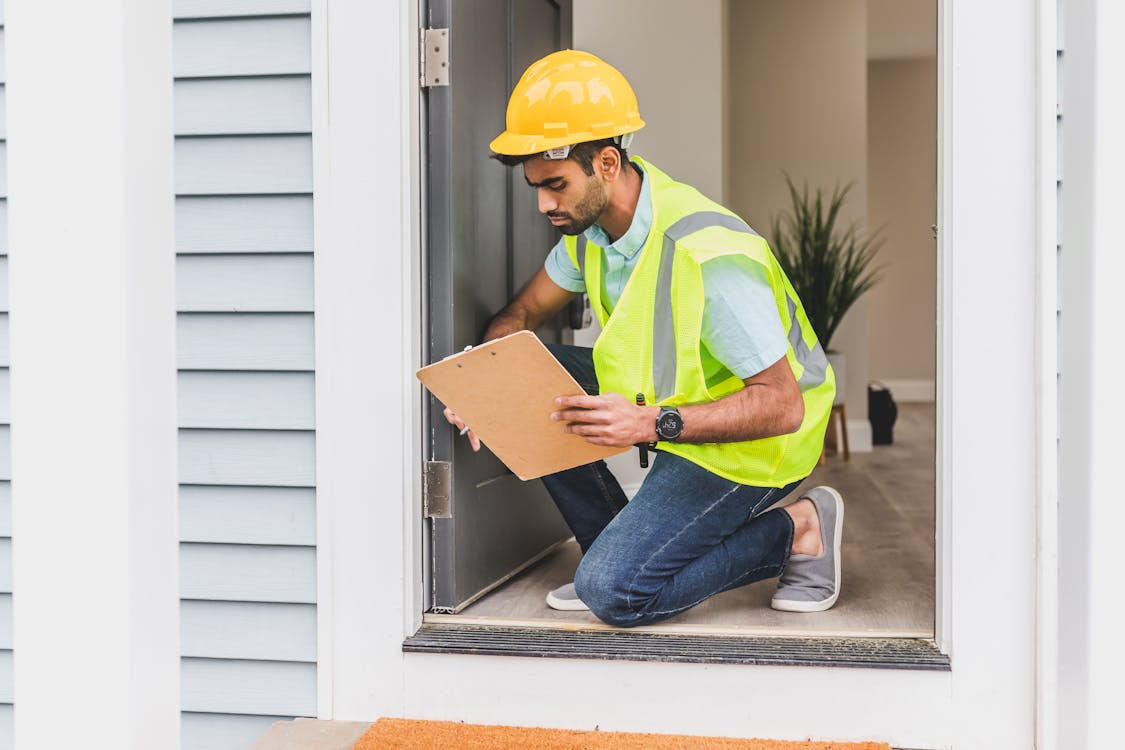
Most Calgary buyers include a home inspection condition in their offer. Home inspections are generally visual and non-invasive, so an inspector usually will not confirm asbestos or test for mold. Instead, they may note suspect materials, water staining or musty odours and recommend further testing by a specialist. That recommendation can arrive with only days left on the condition period, which is exactly the situation pre-listing testing helps you avoid.
Some buyers will also arrange their own asbestos, mold or radon testing. If you already have reports from a qualified company, your realtor can share them, which often shortens the back and forth. Keep in mind that a buyer may still choose to do their own testing, and that is normal.
Negotiation options when asbestos or mold is found
There is no single right approach. Depending on the findings, your timeline and the market, common options include:
- Fixing the issue before listing and providing documentation of the work
- Listing with test results disclosed and pricing the home with the condition in mind
- Offering a price reduction or credit after a buyer's inspection raises the issue
- Agreeing to complete specific remediation before closing, with proof of completion
- Using a holdback arranged through the lawyers, where funds are held until work is done
- Providing professional quotes so buyers can see the realistic scope and cost
Your realtor can advise on what is typical in the current Calgary market, and your lawyer should review any agreement about repairs, credits or holdbacks.
A simple step-by-step plan for sellers
- Note any known issues, past water damage and previous repairs, and gather existing reports.
- Talk with your realtor and lawyer early about disclosure and how to handle known conditions.
- Have suspect materials tested and any mold concerns inspected before listing.
- Decide whether to remediate, disclose and price accordingly, or both.
- If work is done, use qualified professionals and keep all reports, invoices and clearance results.
- Organize your documentation so your realtor can share it with buyers when appropriate.
Frequently Asked Questions
Do I have to remove asbestos before selling my home?
Not necessarily. Intact asbestos-containing materials are often left in place and documented. Whether removal makes sense depends on the material, its condition, buyer expectations and your timeline. Your realtor and lawyer can help you decide how to handle it in your specific sale.
Will a home inspector find asbestos?
A home inspector may point out materials that could contain asbestos, but a visual inspection cannot confirm it. Only laboratory analysis of samples can tell you whether a material contains asbestos, which is why many sellers test before listing.
Do I need to disclose a past mold problem that was fixed?
This depends on the circumstances, so speak with your realtor and a real estate lawyer. In general, accurate information and good documentation of what was found and how it was fixed tend to build buyer confidence rather than scare buyers away.
Should I test for radon before selling?
It can be helpful. Health Canada recommends testing all homes, and more buyers are asking. Long-term tests of at least three months give the most reliable result, while short-term tests can fit real estate timelines and provide useful early information.
If you are preparing to list and want clear answers before buyers start asking, we can help. Book asbestos testing for your Calgary home, call 403-667-8264 or reach us through our contact page to discuss your sale timeline.
Buying or Selling a Home?
Pre-listing and pre-purchase testing for asbestos, mold, and radon gives you clear answers and documentation before negotiations start.
Available 24/7 for emergencies • Call (403) 667-8264