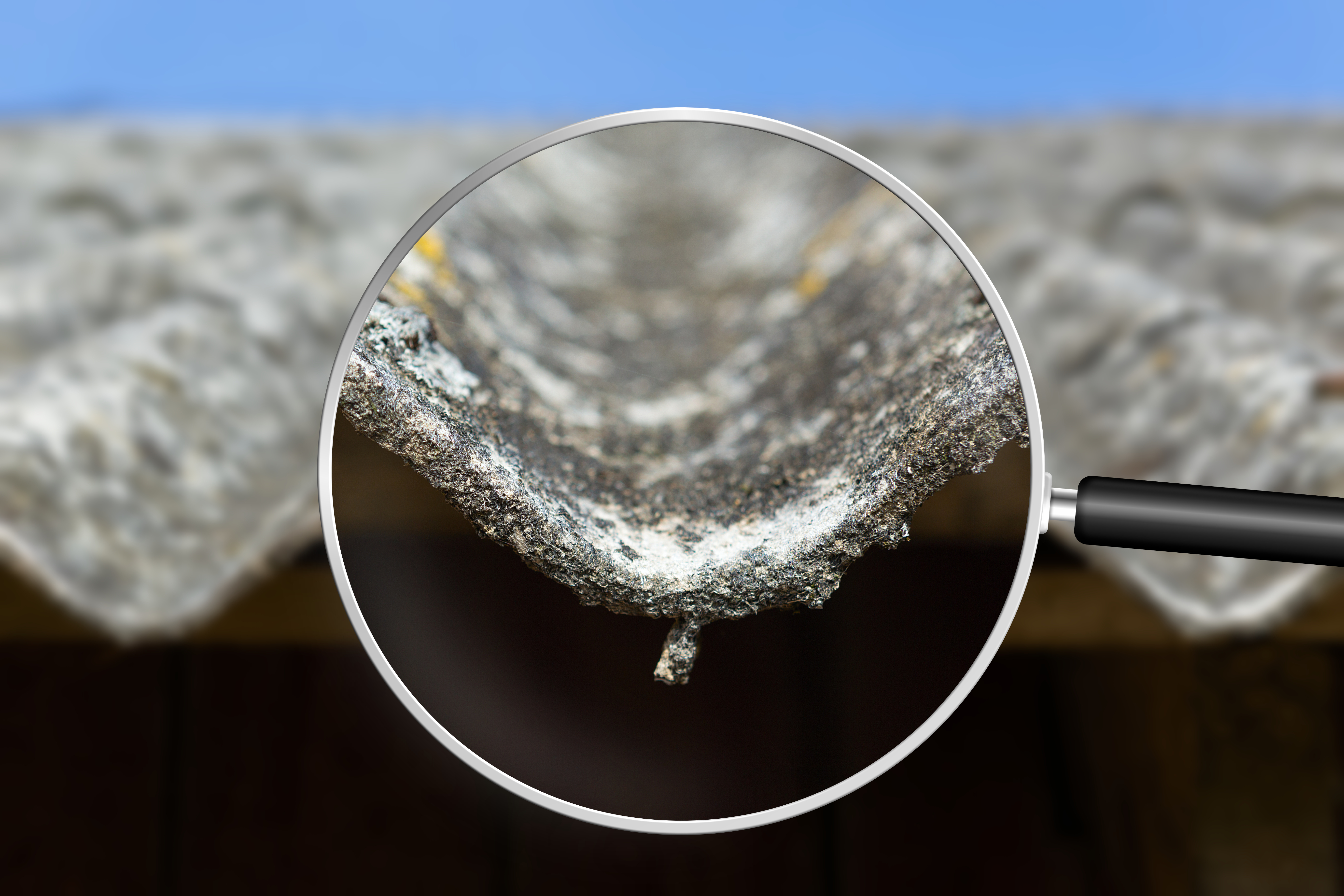
Do Popcorn Ceilings Contain Asbestos? A Calgary Guide
Do popcorn ceilings contain asbestos? Learn which Calgary homes are at risk, why scraping is dangerous, and how to test and handle a stipple ceiling safely.

Many popcorn ceilings in Calgary homes do contain asbestos, particularly those sprayed on before the mid-1980s, but plenty from the same era test clean. You cannot tell by looking at, touching or smelling the texture. The only reliable answer comes from having a small sample analyzed by an accredited laboratory before you scrape, sand, drill or renovate.
What a popcorn ceiling is and why asbestos was added
Popcorn ceilings, also called stipple, cottage cheese or acoustic ceilings, are a spray-applied texture that was common in Canadian homes from roughly the 1950s through the 1980s. Builders liked them because a single coat hid taping seams, uneven drywall and small cracks, and the bumpy surface helped dampen echo. Asbestos fibres were mixed into many of these spray products because they added bulk, helped the material bind and cling to the ceiling, and improved fire resistance. Other textures relied on vermiculite, paper fibre or polystyrene instead, which is why two ceilings that look identical can produce completely different lab results.
Is your popcorn ceiling likely to contain asbestos?
The use of asbestos in ceiling textures declined through the late 1970s and 1980s, but existing stock stayed on shelves and in use for some time afterward, and Canada did not fully prohibit asbestos products until the end of 2018. For practical purposes, any stipple ceiling applied before about 1990 should be treated as suspect until it has been tested. The odds of a positive result are higher when:
- The house, or the ceiling texture itself, dates from before 1990
- The ceiling has been patched or re-sprayed over the years, possibly with different products
- The texture is in a basement development, addition or condo finished during that era
- The texture is sprayed over older drywall joint compound, which can be a separate source of asbestos
That describes a large share of the region's housing: post-war bungalows in Calgary's established inner-city communities, the split-levels and two-storeys built during the 1960s to 1980s growth years, and older homes in nearby towns such as Airdrie, Cochrane, Okotoks and Chestermere. Ceilings textured after 1990 are much less likely to contain asbestos, but if you do not know when yours was applied, testing is the only way to be sure. The mud behind the texture matters too, and our guide to asbestos in drywall joint compound explains why.
Why an asbestos ceiling can become a health risk
Asbestos is hazardous when its fibres become airborne and are breathed in. Fibres that lodge in the lungs are linked to serious diseases, including asbestosis, lung cancer and mesothelioma, which usually appear many years or even decades after exposure. Health agencies have not identified a safe level of exposure, and risk generally increases with the amount of fibre inhaled and how often exposure happens.
Popcorn texture is a particular concern because it is usually friable, meaning it can be crumbled or powdered with light hand pressure. That makes it much easier to release fibres from a stipple ceiling than from a harder material such as vinyl tile. An intact, undamaged ceiling that nobody touches is generally considered low risk. The risk rises when the texture is:
- Scraped, sanded or power-washed during a renovation
- Drilled or cut to install pot lights, ceiling fans, smoke alarms or wiring
- Damaged by a roof leak, plumbing leak or ice damming, causing it to sag or flake
- Crumbling, peeling or shedding onto floors and furniture
What to do if you have a popcorn ceiling
If you are unsure what your ceiling contains, a calm, step-by-step approach protects your family and your budget.
- Leave the ceiling alone for now. Do not scrape, sand, drill, wash or paint it until you know what it contains.
- Arrange professional asbestos testing of the texture. A trained assessor takes small samples using methods that minimize dust and seals the sample spots afterward.
- Sample each distinct area. Rooms, additions and basement ceilings may have been sprayed at different times with different products, so one result does not always represent the whole house.
- Wait for the laboratory results before planning any work, and share them with your contractor.
- Decide on a plan based on the results, the condition of the ceiling and what you want to do with the space.
Your options if the ceiling tests positive
- Leave it in place. If the ceiling is in good condition and you have no plans to disturb it, monitoring it is a reasonable choice.
- Cover or encapsulate it. New drywall or a suitable sealant can keep the texture contained, but the asbestos is still there and must be considered during future work and when you sell.
- Remove it. For a renovation, removal under containment is usually the cleanest long-term solution. Professional asbestos removal uses sealed work areas, negative air pressure, wet methods and proper waste handling.
After a removal, air clearance testing confirms that airborne fibre levels in the work area are acceptable before containment is taken down and the room is used again.
Alberta rules that apply to popcorn ceiling removal
In Alberta, asbestos work on worksites is regulated under Part 20 of the Occupational Health and Safety Code. When contractors or their workers may disturb asbestos, the rules require that asbestos-containing materials be identified before work begins, that exposure be controlled through measures such as containment and respiratory protection, that workers be trained, and that waste be packaged, labelled and disposed of properly. The province's Asbestos Abatement Manual provides further guidance on safe work practices.
A homeowner working on their own house may not be covered in the same way as an employer, but the health risk is identical, and any contractor you hire is bound by these requirements. Asbestos waste also cannot go in your household garbage or a regular bin. It has to be properly packaged and taken to a facility that accepts it, usually with advance arrangements. If your project needs a building or demolition permit, read our overview of asbestos and renovation permits in Calgary before you start.
Why DIY scraping is a bad idea
Online videos often make popcorn removal look like a simple weekend job: spray the ceiling with water, scrape it onto a tarp and vacuum up. With an asbestos-containing texture, this approach can contaminate your home. Common shortcuts fall short for these reasons:
- Wetting the ceiling reduces dust but does not stop fibres from being released, and dried debris can become airborne again.
- Household or shop vacuums are not designed to capture asbestos fibres and can blow them back into the room.
- Paper dust masks do not provide adequate respiratory protection against asbestos.
- Plastic sheeting without negative air pressure does not stop fibres from drifting into hallways, furnace returns and ductwork.
Fibres that settle into carpets, furniture and the heating system can be stirred up again for months. If you have already scraped part of a ceiling, stop work, keep people and pets out of the area, turn off the furnace if you can, and read our guide on what to do if you have touched asbestos.
When to call a professional
Bring in a qualified professional to assess your ceiling when:
- You are planning a renovation, basement development or lighting upgrade in an older home
- A leak has soaked, stained or collapsed part of a textured ceiling
- Someone has already started scraping or sanding the texture
- You are buying or selling a pre-1990 home and want clear answers
- A contractor has asked for asbestos test results before they will start work
A professional asbestos assessment gives you facts instead of guesses, and it typically costs far less than cleaning up after an accidental contamination.
Frequently Asked Questions
Can I tell if my popcorn ceiling has asbestos by looking at it?
No. Asbestos fibres are microscopic, and asbestos-containing textures look the same as those made with other materials. Age, colour and texture can raise or lower suspicion, but only laboratory analysis of a sample can confirm whether asbestos is present.
Is it safe to live in a house with an asbestos popcorn ceiling?
An intact ceiling that is not being disturbed is generally considered low risk. The concern is damage or work that releases fibres, such as leaks, scraping, drilling or sanding. Keep an eye on its condition and have it tested before any work touches it.
Can I paint over a popcorn ceiling that contains asbestos?
Painting is a form of encapsulation and can help bind the surface, but rolling paint onto a soft texture can loosen it and cause pieces to fall. It also does not remove the asbestos. Have the ceiling tested and ask a professional whether painting suits its condition.
Do newer homes with stipple ceilings need testing?
Ceilings textured after 1990 are much less likely to contain asbestos, but dates are not always known, especially in homes that have been renovated several times. If you cannot confirm when the texture was applied, testing before renovation is the safest choice.
If your home has a popcorn ceiling and you are planning work, or simply want peace of mind, book a certified asbestos inspection before anything is disturbed. Call Amity Environmental at 403-667-8264 or reach us through our contact page to arrange sampling in Calgary and surrounding communities.
Not Sure If It Contains Asbestos?
Before you sand, scrape, or demolish, have the material sampled and analyzed. Amity Environmental provides certified asbestos testing across Calgary and surrounding communities.
Available 24/7 for emergencies • Call (403) 667-8264