Asbestos and Renovation or Demolition Permits in Calgary
Planning a Calgary renovation or demolition? Learn how asbestos fits into Alberta OHS rules and City permits, and how to prepare to keep your project moving.

If you are renovating or demolishing a Calgary building constructed before about 1990, you should expect asbestos to be part of the conversation. Alberta's OHS Code requires asbestos to be identified before work that could disturb it, and the City of Calgary may ask for hazardous materials information as part of demolition and some renovation permits. Getting an assessment done early is the simplest way to avoid delays, surprise costs and unsafe exposure.
Why asbestos comes up before renovation or demolition
Asbestos was added to a wide range of Canadian building products for strength, fire resistance and insulation value, and it remained in use in some products into the 1990s. Most of these materials are fairly stable when left alone. The problem starts when they are cut, sanded, drilled, broken or torn out, which is exactly what renovation and demolition involve.
Once fibres are airborne, they can be inhaled and may contribute to serious diseases such as asbestosis, lung cancer and mesothelioma, often decades later. Because the risk is tied to disturbance, regulators and municipalities focus on identifying asbestos before the work begins rather than after. For a broader primer, see our complete guide to asbestos.
Which buildings and materials are likely affected
Age is the biggest clue. Homes, apartment buildings, offices, retail spaces and industrial buildings built before about 1990 are the most likely to contain asbestos, although some later buildings may also include older stock or imported materials. In Calgary, that covers many established neighbourhoods, older infill lots and a large share of the commercial building stock.
Common materials to check before work begins include:
- Drywall joint compound and wall texture, discussed in our article on asbestos in drywall joint compound
- Textured or popcorn ceilings
- Vinyl floor tiles, sheet flooring and the adhesives beneath them, covered in our guide to asbestos in vinyl flooring
- Plaster and stucco
- Vermiculite insulation in attics and walls
- Pipe and boiler insulation, duct wrap and tape
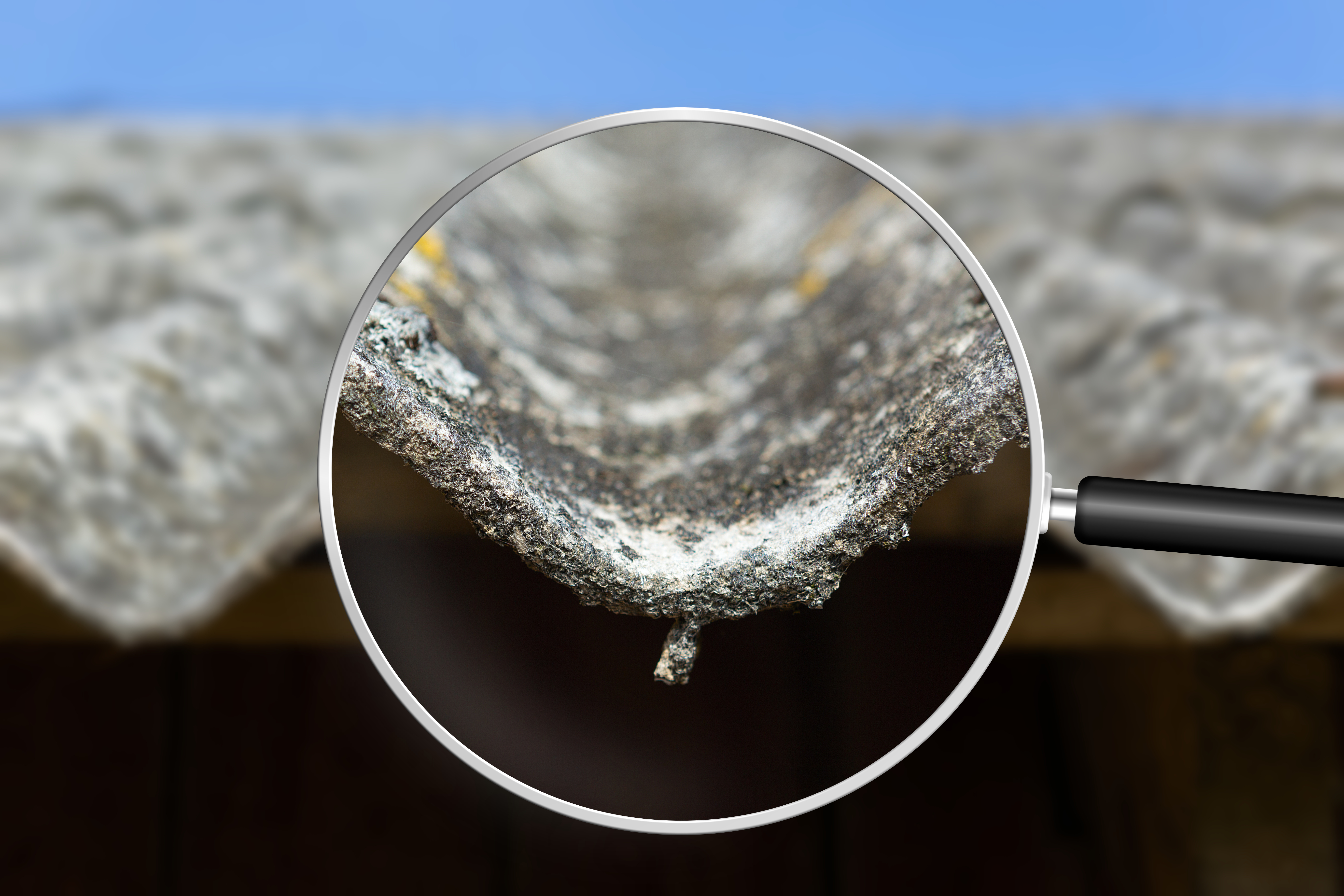
- Cement board, siding and roofing products
- Window putty, caulking and some mastics
You cannot confirm asbestos by looking at a material. Only laboratory analysis of properly collected samples can tell you whether it is present and in what amount.
Alberta OHS Code obligations
In Alberta, workplace asbestos rules are found in the Occupational Health and Safety Act, Regulation and Code, with Part 20 of the OHS Code dealing specifically with asbestos. In general terms, the rules expect that:
- Asbestos-containing materials are identified before work that could disturb them begins
- Removal and handling follow set procedures for containment, ventilation, respiratory protection and decontamination
- Workers who perform asbestos abatement hold the required provincial certification
- Certain abatement projects are reported to Alberta OHS in advance
- Asbestos waste is packaged, labelled, transported and disposed of at a facility that accepts it
These requirements apply to employers and contractors, which includes the general contractors, demolition firms and trades you hire. A homeowner working alone on their own house may not be treated as a workplace in the same way, but the health risk does not change. Always check the current version of the Code or speak with Alberta OHS if you are unsure how the rules apply to your project.
City of Calgary permit considerations
The City of Calgary treats hazardous materials as part of safe demolition and construction. For demolition permits in particular, applicants have generally been expected to show that the building has been assessed for hazardous materials such as asbestos, and that any materials that will be disturbed are dealt with appropriately before demolition proceeds. For renovations, requirements depend on the scope of work, and you may be asked about hazardous materials when the project involves removing walls, ceilings, flooring or mechanical systems in an older building.
Permit requirements, forms and checklists change from time to time, and they can differ between residential and commercial projects. Before you apply, confirm the current expectations directly with the City of Calgary. If you are working outside city limits, for example in Airdrie, Cochrane, Okotoks or Chestermere, check with that municipality, since local processes vary.
For commercial and multi-unit properties, owners often need a more formal hazardous building materials assessment. Our commercial asbestos assessment services are set up to support permit applications, contractor tendering and OHS compliance on larger projects.
Step-by-step: preparing your project
A little planning up front keeps both your permit and your schedule on track. Here is a practical order of operations:
- Confirm the building's construction year and any past renovations, since materials from different decades may be present.
- Define the scope of work clearly, including every wall, ceiling, floor and system that will be disturbed.
- Arrange professional asbestos sampling of the materials in that scope before demolition or renovation starts.
- Review the lab results and written report, and share them with your contractor and, where required, the City.
- If asbestos is found in areas you will disturb, hire certified abatement workers for controlled asbestos removal under proper containment.
- After abatement, confirm the work area is safe with post-abatement air clearance testing before other trades return.
- Keep copies of reports, waste records and clearance results with your permit file and property records.
Scheduling testing early matters. Lab turnaround, abatement crew availability and clearance sampling all take time, so leaving it until the week demolition is booked can push your whole project back.
Common mistakes to avoid
Many permit delays and exposure incidents come from a few predictable errors:
- Starting demolition, even a small wall opening, before materials have been tested
- Testing only one or two materials when the scope includes many different finishes
- Assuming newer-looking finishes are safe when older layers may sit underneath
- Hiring contractors without asking about asbestos procedures and certification
- Bagging debris and putting it in household garbage or a regular bin
- Skipping clearance testing and letting trades back into an area too soon
If someone has already disturbed a suspect material, stop work, keep people out of the area and get advice. A qualified assessor can tell you whether cleanup or air sampling is needed before work resumes.
When to bring in a professional
Bring in a qualified assessor whenever you plan to disturb building materials in a structure built before about 1990, and always before a demolition permit application. A professional can define a sampling plan that matches your scope, collect samples safely, interpret lab results in the context of Alberta requirements and provide a report that contractors and permit reviewers can rely on.
For property managers, developers and business owners, a pre-demolition hazardous materials assessment can also support tendering, so every contractor bids on the same information and abatement is planned rather than discovered mid-project.
Frequently Asked Questions
Do I need an asbestos assessment for a demolition permit in Calgary?
In most cases, demolition of an older building will involve showing that hazardous materials, including asbestos, have been assessed and addressed. Because requirements can change, confirm the current checklist with the City of Calgary before applying.
Does a small renovation need asbestos testing?
If the work disturbs materials in an older building, testing is strongly recommended even for small jobs such as a bathroom or kitchen update. Contractors working in Alberta are expected to identify asbestos before disturbing it, regardless of project size.
Can I remove asbestos myself before my renovation?
Homeowners are sometimes allowed to do work on their own homes, but asbestos removal carries real health risks and disposal rules still apply. Hiring certified abatement workers with proper containment and clearance testing is the safer choice.
How long does asbestos testing add to my project timeline?
It depends on the number of samples, lab turnaround and whether abatement is needed. Booking testing as soon as your scope is defined usually prevents it from becoming a bottleneck.
Planning ahead for asbestos keeps your permit, contractors and schedule moving. To arrange a pre-renovation or pre-demolition assessment, learn more about our commercial and pre-demolition asbestos services, call 403-667-8264, or reach us through the contact page.
Not Sure If It Contains Asbestos?
Before you sand, scrape, or demolish, have the material sampled and analyzed. Amity Environmental provides certified asbestos testing across Calgary and surrounding communities.
Available 24/7 for emergencies • Call (403) 667-8264